
Why Gold and Silver Dipped After the Iran War Started
Disclaimer: This article provides factual market analysis based on recent data and historical patterns. It is for informational and educational purposes only and does not constitute investment advice, recommendations, or endorsements. Always conduct your own research and consult qualified financial professionals before making investment decisions. Past performance does not guarantee future results.
By Doug Young – 08 March 2026
Introduction
Precious metals experienced notable declines last week despite the escalation of the US-Iran conflict, challenging typical safe-haven expectations.
US military strikes on Iran over the weekend marked a significant intensification, prompting immediate market reactions across commodities and equities.
This report examines the factors behind gold and silver’s underperformance amid broader geopolitical tensions, while noting how underlying inflationary pressures could influence future trajectories.
Market Snapshot: Week Ending March 6, 2026
Precious Metals Prices
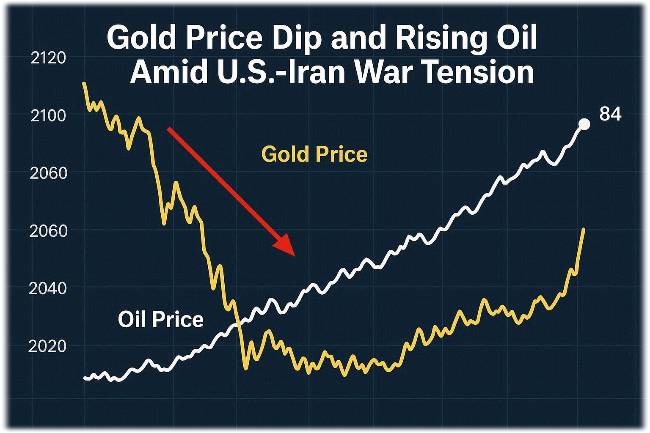
Gold dropped approximately 3% over the week, settling around $5,170 by Friday after a robust $90 daily gain.
Silver fell by about 5%, closing near $84 despite a more than $2 intraday rebound.
These metals maintained key support levels, with gold never dipping below $5,000 amid the selling pressure.
Related Assets
Oil prices surged 35% to $91 per barrel, recording the largest weekly advance in decades and signaling persistent upward momentum.
Gold mining ETFs such as GDX and GDXJ both declined over 11%.
The 10-year US Treasury yield climbed to roughly 4.15%, reflecting shifts in bond market sentiment amid deficit concerns.
Explaining the “Sell the News” Reaction
Pre-Conflict Buildup
Markets had anticipated the conflict for weeks, driving preemptive gains in gold, silver, and oil prices prior to the strikes.
Gold touched near $5,500 shortly after trading resumed Sunday evening.
Speculative positions and leveraged bets amplified these early moves, building significant positioning.
Profit-Taking Dynamics
The pattern reflects a classic “buy the rumor, sell the fact” dynamic common in commodity markets, leading to short-term reversals despite the short-term drop.
Traders unwound positions once the headlines materialized, reversing momentum even as oil’s rally continued on supply disruption fears.
Economic Backdrop and War Financing
Fiscal Pressures
The US national debt stood at $38.86 trillion as of early March, with war-related spending adding substantial pressure.
Initial costs reached $891 million per day, totaling $3.7 billion within the first 100 hours according to think tank estimates, exacerbating existing deficits as trillions in low-yield debt mature for refinancing.
Such expansions, combined with rising oil prices, heighten inflation risks that historically support precious metals over time.
Inflation and Interest Rate Signals
The Treasury yield increase signals investor concerns over escalating borrowing costs and potential monetary responses.
Major wars have often led to deficit growth without tax hikes, prompting Federal Reserve money printing to finance obligations, which drives inflation higher.
Recent weak jobs data underscores economic softening, setting conditions where sustained oil price increases and fiscal loosening could elevate inflationary forces despite the recent metals dip.
Sector Rotations and Broader Impacts
Gainers: Energy and Defense
Defense contractors including Lockheed Martin saw gains of 3-4% in response to the strikes, benefiting from anticipated orders.
Energy sectors rallied on fears of prolonged supply disruptions, with oil’s sharp rise amplifying inflationary signals across commodities.
Losers: Miners and Implications
Mining equities suffered amplified losses, highlighting sector-specific sentiment challenges amid the short-term selloff.
The gold-silver price ratio remained relatively stable through the volatility.
A stronger US dollar tempered inflows into precious metals, though expanding deficits and oil-driven inflation could shift dynamics longer-term.
Historical Context: Metals in Wartime
Past Performance Patterns
Gold has shown varied responses during conflicts, thriving in inflationary periods like the 1970s Vietnam era when monetary expansion fueled rallies.
Shorter engagements often favor equities initially over metals, but prolonged fiscal strain reverses this.
Following the 2001 attacks, gold rose over 570% across the subsequent decade amid sustained deficit spending and inflation.
Lessons for Current Conflict
Reconstruction expenses following destruction are frequently underestimated, extending fiscal commitments and inflationary impacts.
Persistent deficits from such events, coupled with potential Fed interventions and climbing oil prices, exert long-term pressure on currencies while supporting real assets like precious metals.
Analyst Perspectives
Wall Street remains split on gold’s immediate trajectory amid the ongoing conflict, with some noting short-term profit-taking.
Many emphasize how rising oil prices, unchecked deficits, and historical patterns of money printing could propel inflation higher, creating conditions historically favorable for precious metals rallies despite recent declines.
Close attention falls on these fiscal and commodity trends.
Looking Ahead: Key Metrics to Watch
Upcoming economic releases and conflict developments will shape market paths, particularly as oil trends and deficit growth interact.
Treasury yield trends and debt ceiling discussions warrant monitoring for inflation signals.
Evolving commodity correlations with geopolitics, including potential Fed responses to fiscal pressures, may underscore how short-term dips give way to broader inflationary stages favoring precious metals.
Disclaimer: This article provides factual market analysis based on recent data and historical patterns. It is for informational and educational purposes only and does not constitute investment advice, recommendations, or endorsements. Always conduct your own research and consult qualified financial professionals before making investment decisions. Past performance does not guarantee future results.
 Discover Why Savvy Retirees are Diversifying Their Investment Portfolios With Gold
MEET THE RESEARCHER
Doug Young Financial Markets Researcher & Former Financial Director
- Over 20 years of experience in financial markets
- More than 15 years specializing in Gold IRAs
- Extensive expertise in precious metals trading
- Former Financial Director at World Freight Services Ltd for 16 years.
- Author of 500+ published financial research articles over 10 years
- Conducted 80+ Gold IRA company evaluations since 2011


