
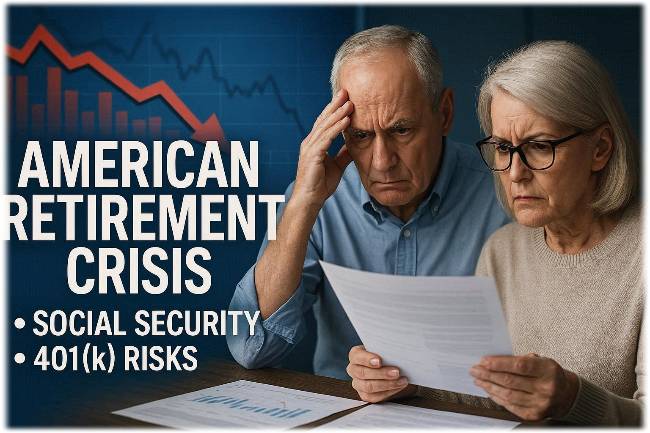
America’s Retirement System Faces Growing Cracks
Disclaimer: This article is for informational purposes only and does not constitute financial or investment advice. Consult a qualified professional for personal guidance.
By Doug Young – 22 October 2025
Introduction
The U.S. retirement system is fundamentally built on three pillars: Social Security, employer-sponsored plans such as 401(k)s, and personal savings.
Collectively, these components provide the financial framework for millions of Americans entering retirement. However, demographic shifts, economic pressures, and changing investment landscapes are revealing growing vulnerabilities within this system, leading to an increasingly uncertain outlook for future retirees.
Social Security’s Impending Challenges
History and Importance
Social Security has served as a crucial source of retirement income for over 90 years, supporting a significant share of retirees’ financial security.
Funding and Insolvency Projections
According to the 2025 Social Security Trustees Report, the combined trust funds for Social Security are projected to be depleted by 2033. Without legislative intervention, this depletion will trigger automatic benefit reductions estimated to be about 23%.
Recent budget legislation has accelerated this timeline, making reform discussions more urgent.
Consequences of Insolvency
If the trust funds become insolvent, retirees could face substantial reductions in their guaranteed benefits. This shortfall could significantly impact household incomes, particularly for those solely reliant on Social Security.
Demographic and Economic Factors
The retirement system faces strain from demographic trends including an aging population with the baby-boom generation retiring in record numbers.
The worker-to-beneficiary ratio has decreased from 3.5:1 in the 1990s to around 2.7:1 today.
Economic factors such as wage growth, inflation, and economic productivity also influence Social Security’s sustainability.
Risks in Employer-Sponsored Retirement Plans
Evolution of 401(k) and Similar Plans
The retirement landscape has shifted from defined benefit pensions to defined contribution plans like 401(k)s, placing more investment responsibility on individuals.
Investment Risks and Changes
Employer plans increasingly offer access to alternative investment options including complex assets and cryptocurrencies. These carry greater risks and complicate fiduciary responsibilities, sometimes leaving participants exposed to volatile markets without clear protective safeguards.
Fees and Expenses
Hidden fees in employer-sponsored plans, including administrative charges and investment management fees, can significantly erode the growth of retirement savings over time. For example, even a 1% annual fee can reduce total savings by tens of percent over several decades.
Personal Savings and the Impact of Fees
Importance of Personal Savings
Individual savings serve as an essential supplement to Social Security and employer plans, helping retirees cover expenses and maintain their living standards.
The Effect of Investment Fees
Various fees—such as management fees, transaction costs, and performance fees—may not be fully transparent to investors, reducing net returns and compounding losses over long periods.
Inflation and Market Volatility
Inflation undermines purchasing power, while market volatility can cause sharp swings in retirement portfolios, demanding prudent oversight and planning.
Fiscal Pressures and Government Debt Implications
Federal Deficit and National Debt
The U.S. federal debt has recently exceeded $36 trillion, prompting concerns about fiscal sustainability and future budgetary constraints.
Potential Tax Policy Changes
To manage mounting debt, policymakers may consider increasing taxes on retirement income or assets, which would raise the financial risk for retirees.
Impact on Social Security and Medicare
The strain of the federal deficit could lead to funding challenges for Social Security and Medicare, potentially resulting in benefit reductions or eligibility changes.
Navigating Retirement Planning Amid Systemic Risks
Need for Informed Decision-Making
Given these systemic risks, it is crucial that individuals understand the limitations of traditional retirement sources and plan accordingly.
Financial Literacy and Planning Considerations
Improved financial literacy can empower retirees to critically evaluate their options, understand potential risks, and make informed decisions aligned with their circumstances.
Regulatory and Consumer Protection
While exploring diversified retirement options like self-directed IRAs may offer expanded choices, they also carry risks, including scams and fraud. Awareness of regulatory protections and conducting thorough research are essential steps for consumers.
Conclusion
The cracks forming in America’s retirement system reflect demographic, economic, and fiscal challenges that threaten the long-term stability of traditional retirement income sources.
Retirees face the reality of reduced Social Security benefits, increased investment risks within employer plans, and the erosive effects of fees on personal savings.
Fiscal pressures further complicate this landscape, underscoring the need for informed, cautious personal planning. An emphasis on education and awareness is paramount to navigating these challenges successfully—not to guarantee outcomes but to prepare for a dynamic retirement environment.
This reporting is based on recent government data, expert analyses, and market trends, intending to inform readers about critical retirement system issues without providing specific investment advice.
Disclaimer: This article is for informational purposes only and does not constitute financial or investment advice. Consult a qualified professional for personal guidance.
 Discover Why Savvy Retirees are Diversifying Their Investment Portfolios With Gold
MEET THE RESEARCHER
Doug Young Financial Markets Researcher & Former Financial Director
- Over 20 years of experience in financial markets
- More than 15 years specializing in Gold IRAs
- Extensive expertise in precious metals trading
- Former Financial Director at World Freight Services Ltd for 16 years.
- Author of 500+ published financial research articles over 10 years
- Conducted 80+ Gold IRA company evaluations since 2011


